Writer, Speaker, Advocate, Dreamer
〰️
Writer, Speaker, Advocate, Dreamer 〰️
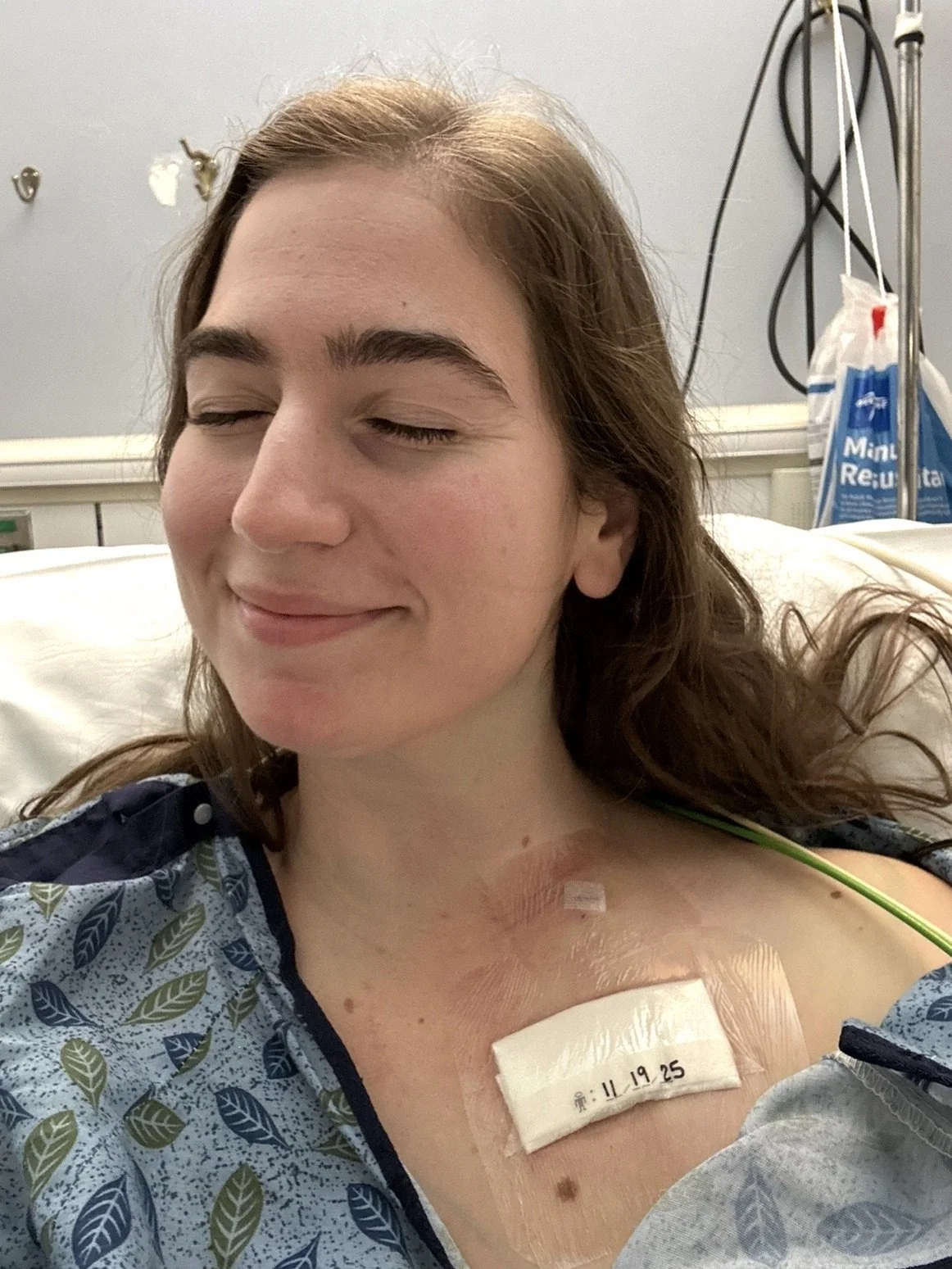
After months of hospital stays, chemotherapy, surgery, emergency procedures, radiation, and now the maintenance plan I am on, I’m on the other side and learning what survivorship looks like—not as a clean ending, but as a new chapter.
Along the way, something else took shape: advocacy.
Hi there, I’m Caroline!
My cancer diagnosis was a very sudden rupture in the life I thought I understood. I found a lump in my breast by accident at 30 and my instincts immediately told me something wasn’t right. Thankfully, my doctor listened. Four weeks later, I had a treatment plan.
Yes, young women get breast cancer, too! About 4% of breast cancer cases in the United States occur in women under 40 each year, and younger women are more likely to be diagnosed at later stages and with more aggressive disease because we do not have the same safeguards in place as the older populations. Yet breast cancer is still so often framed as something that happens “later.” That narrative is outdated—and for young women, it can be dangerous.
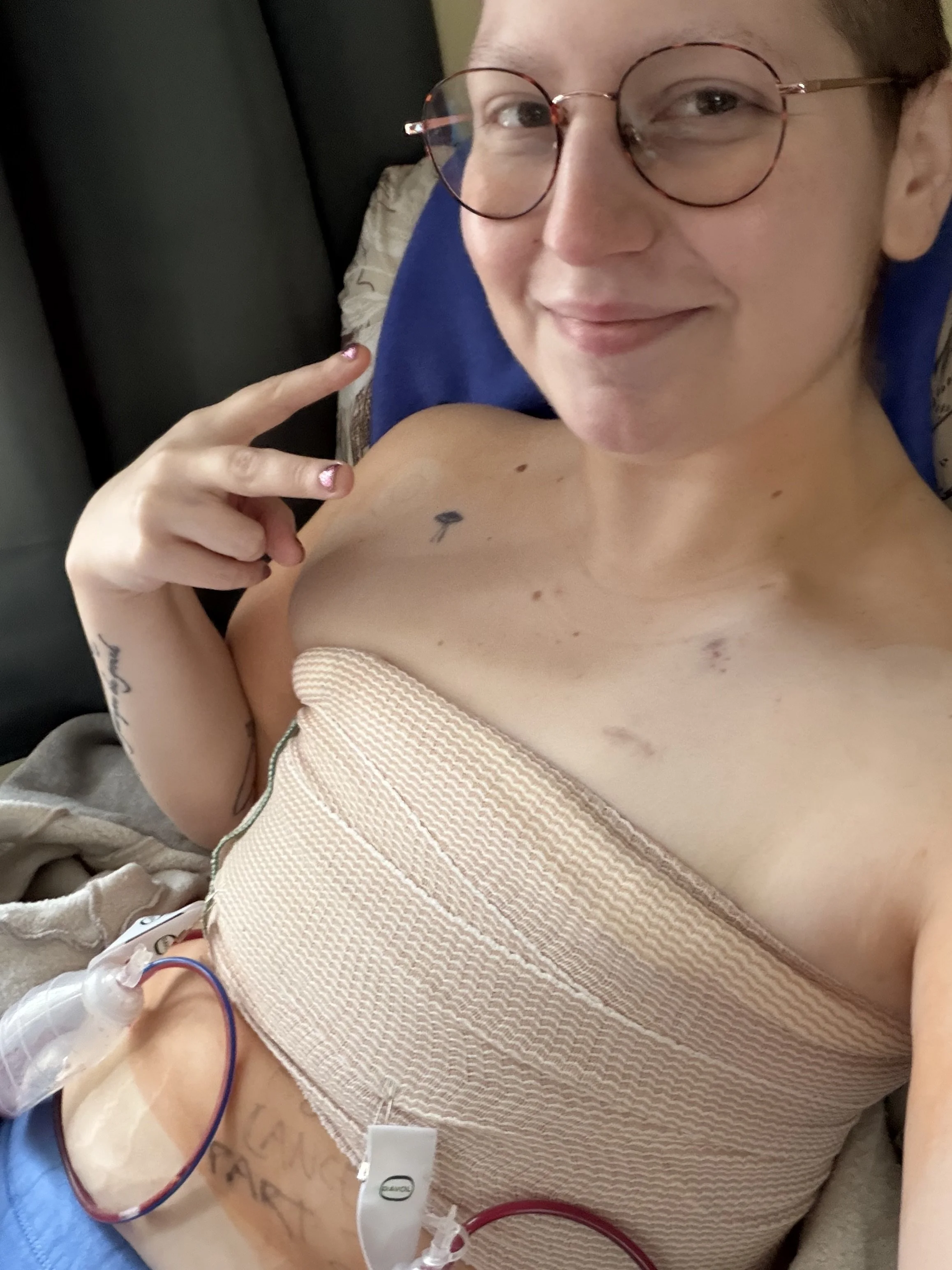
I’m a writer, speaker, and breast cancer advocate sharing the realities of being diagnosed young and navigating treatment, survivorship, and everything that comes after. Through my blog, Me and My Rogue Boobs, community speaking, and nonprofit collaborations, I’m working to make space for the conversations that are too often missing from the breast cancer narrative.
I believe storytelling can be advocacy. I believe young women deserve to recognize themselves in these conversations. And I believe survivorship means deciding what to do with the life you fought to keep. I don’t want my diagnosis to be the most important thing that ever happened to me. I want what I do with this chance to keep going to be. And I also want to do it in my own way. . .with
honesty, humor, a healthy dose of irreverence, and probably a ridiculous number of silly stickers along the way. Because sometimes the way you make it through something devastating is by finding something to laugh about in the middle of it. If this space or my words help even one person seek answers sooner, trust their instincts harder, or feel less alone in the shock of it all, then this story is bigger than just me. It’s the sum of all of ours, together.